


The Intricate Connection Between Neurology and Sleep Patterns

Sleep shapes our daily lives in profound ways, yet its relationship with the brain remains a complex puzzle. Understanding how neurology influences sleep patterns reveals much about our health, behavior, and cognitive function. This article explores the deep links between brain activity and sleep, highlighting key neurological processes that govern how we rest and recover.
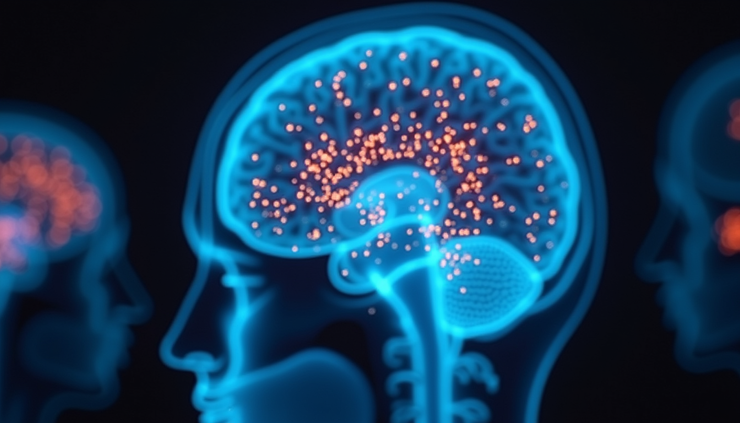
How the Brain Controls Sleep
Sleep is not a passive state but an active process controlled by specific brain regions and networks. The hypothalamus plays a central role by regulating the sleep-wake cycle through the suprachiasmatic nucleus (SCN), which acts as the body’s internal clock. This clock synchronizes with environmental cues like light and darkness to maintain a roughly 24-hour rhythm.
The brainstem also contributes by communicating with the hypothalamus to trigger transitions between wakefulness and sleep. It controls the release of neurotransmitters such as serotonin and norepinephrine, which influence alertness and relaxation.
The Stages of Sleep and Neurological Activity
Sleep consists of two main types: Rapid Eye Movement (REM) sleep and Non-REM sleep, each with distinct neurological patterns.
Non-REM Sleep: This phase includes three stages, from light to deep sleep. During deep sleep, the brain shows slow-wave activity, which is critical for physical restoration and memory consolidation.
REM Sleep: Characterized by fast, irregular brain waves similar to wakefulness, REM sleep supports emotional regulation and learning. The brain is highly active, but muscles are temporarily paralyzed to prevent acting out dreams.
Neurological studies using EEG (electroencephalogram) have mapped these stages, showing how different brain regions engage during sleep cycles.
Neurological Disorders and Their Impact on Sleep Patterns
Certain neurological conditions disrupt normal sleep patterns, demonstrating the brain’s influence on rest.
Parkinson’s Disease: Patients often experience fragmented sleep and REM behavior disorder, where muscle paralysis during REM sleep fails, causing physical movements during dreams.
Epilepsy: Seizures can occur during sleep, altering sleep architecture and reducing restorative sleep quality.
Alzheimer’s Disease: Sleep disturbances are common and may accelerate cognitive decline by impairing the brain’s ability to clear toxic proteins during deep sleep.
These examples highlight how neurological health directly affects sleep quality and overall well-being.
The Role of Neurotransmitters in Sleep Regulation
Neurotransmitters are chemical messengers that influence sleep by activating or inhibiting brain circuits.
GABA (Gamma-Aminobutyric Acid): The primary inhibitory neurotransmitter, GABA promotes sleep by reducing neuronal excitability.
Orexin (Hypocretin): This neurotransmitter promotes wakefulness. Deficiency in orexin causes narcolepsy, a disorder marked by sudden sleep attacks.
Melatonin: Produced by the pineal gland, melatonin signals the body to prepare for sleep, aligning with the circadian rhythm.
Understanding these chemicals helps explain why certain medications or lifestyle changes affect sleep.
How Sleep Affects Brain Function
Sleep is essential for brain health. It supports:
Memory consolidation: During sleep, the brain processes and stores information gathered throughout the day.
Emotional regulation: REM sleep helps manage stress and mood by processing emotional experiences.
Brain detoxification: The glymphatic system clears waste products from the brain during deep sleep, reducing the risk of neurodegenerative diseases.
Poor sleep impairs these functions, leading to cognitive decline, mood disorders, and increased risk of neurological illnesses.
Practical Tips to Support Healthy Sleep Patterns
Improving sleep starts with understanding its neurological basis. Here are practical steps:
Maintain a consistent sleep schedule to support the circadian rhythm.
Create a dark, quiet, and cool sleep environment to enhance melatonin production.
Limit exposure to screens before bedtime, as blue light disrupts the SCN’s signaling.
Manage stress through relaxation techniques to reduce overactivity in brain regions linked to wakefulness.
Consult a healthcare provider if you experience persistent sleep disturbances, especially if linked to neurological symptoms.
Future Directions in Neurology and Sleep Research
Advances in brain imaging and neurotechnology continue to uncover how sleep affects brain function and vice versa. Researchers are exploring:
How targeted stimulation of brain regions can improve sleep quality.
The genetic basis of sleep disorders.
The role of sleep in brain plasticity and recovery after injury.
These insights promise better treatments for sleep-related neurological conditions.


Comments